
Radar and LiDAR sensing solutions for industrial and smart city projects
We start from the result you need and define the right architecture to measure, detect, analyse, interact or embed sensing technology into your own system.
We design with radar and LiDAR: architectures that · No image capture, reducing exposure to personally identifiable data and withstanding demanding outdoor conditions. The alternative when a project cannot rely on cameras.
- In-house technology
- Radar + LiDAR
- OEM integration
-
 Engineering support
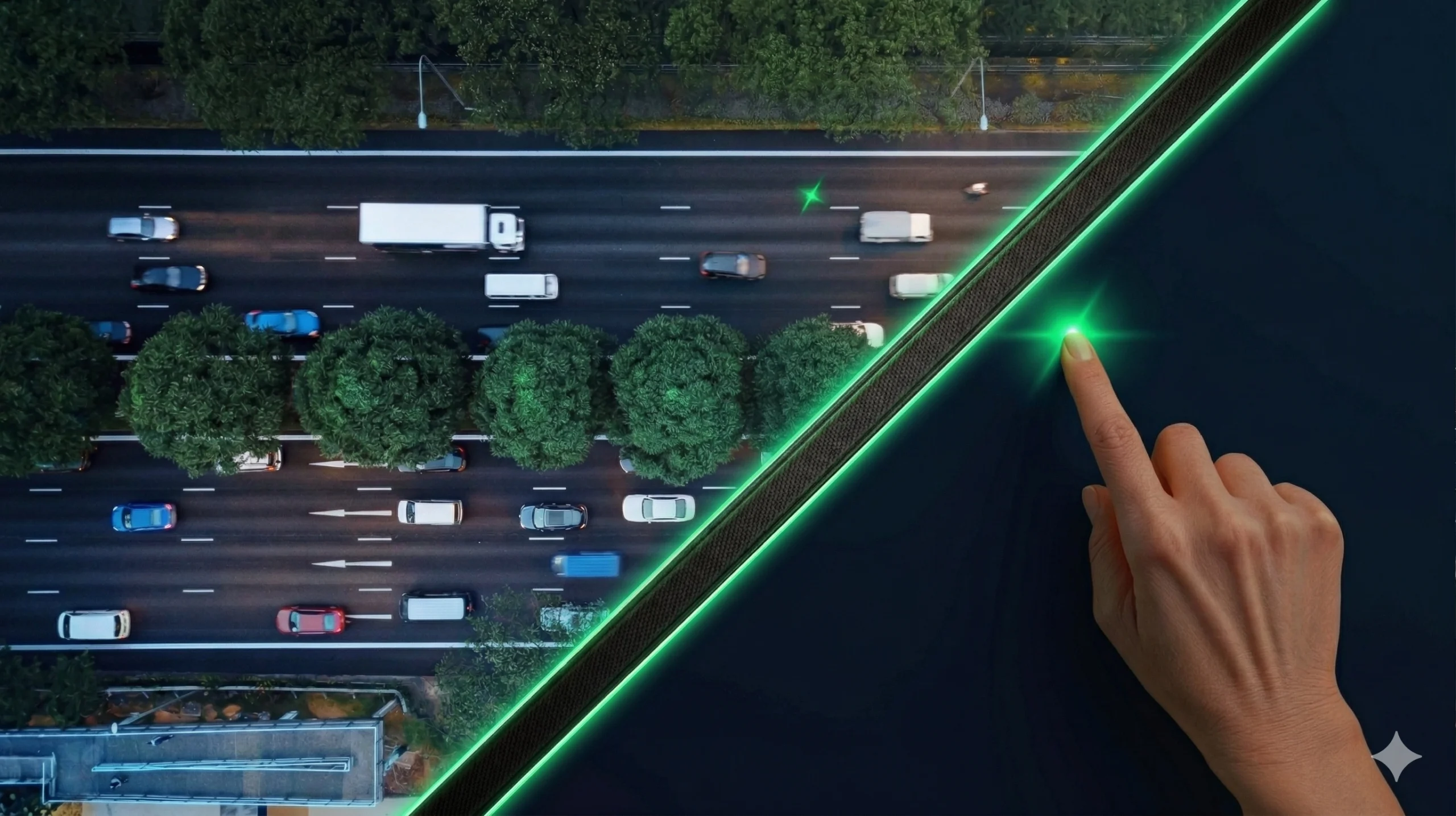 Radar · LiDAR · Integration
Technology and integration in professional projects



What do you need to achieve?
The right architecture depends on the result, not on the sensor. Pick the starting point closest to your project.
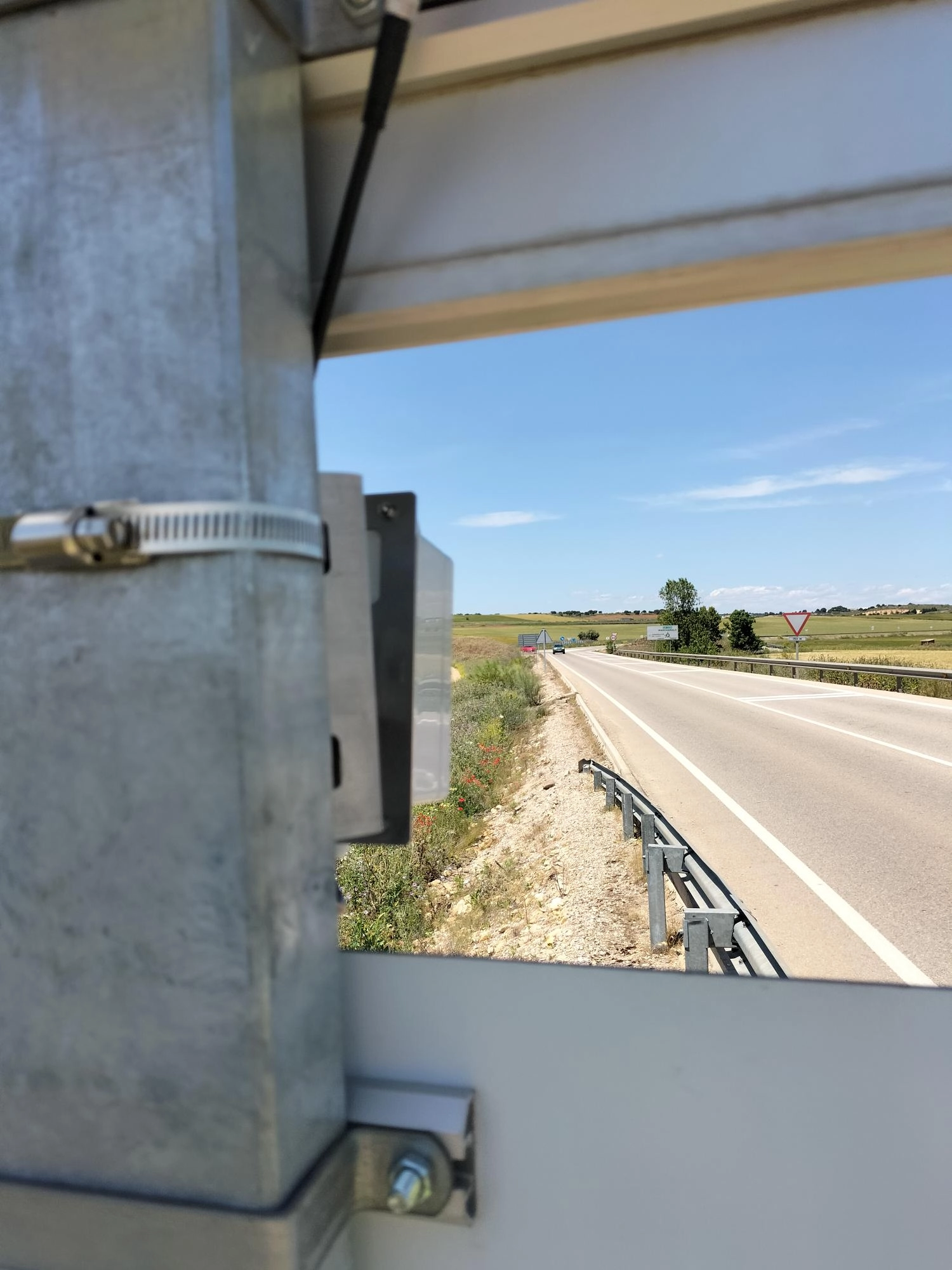
Traffic radar sensor solutions: measure, analyse or trigger
From traffic counting, historical series and analytics through to real-time detection for signage and ITS integration.
For real-time detection and actuation, see how a smart pedestrian crossing with radar works..
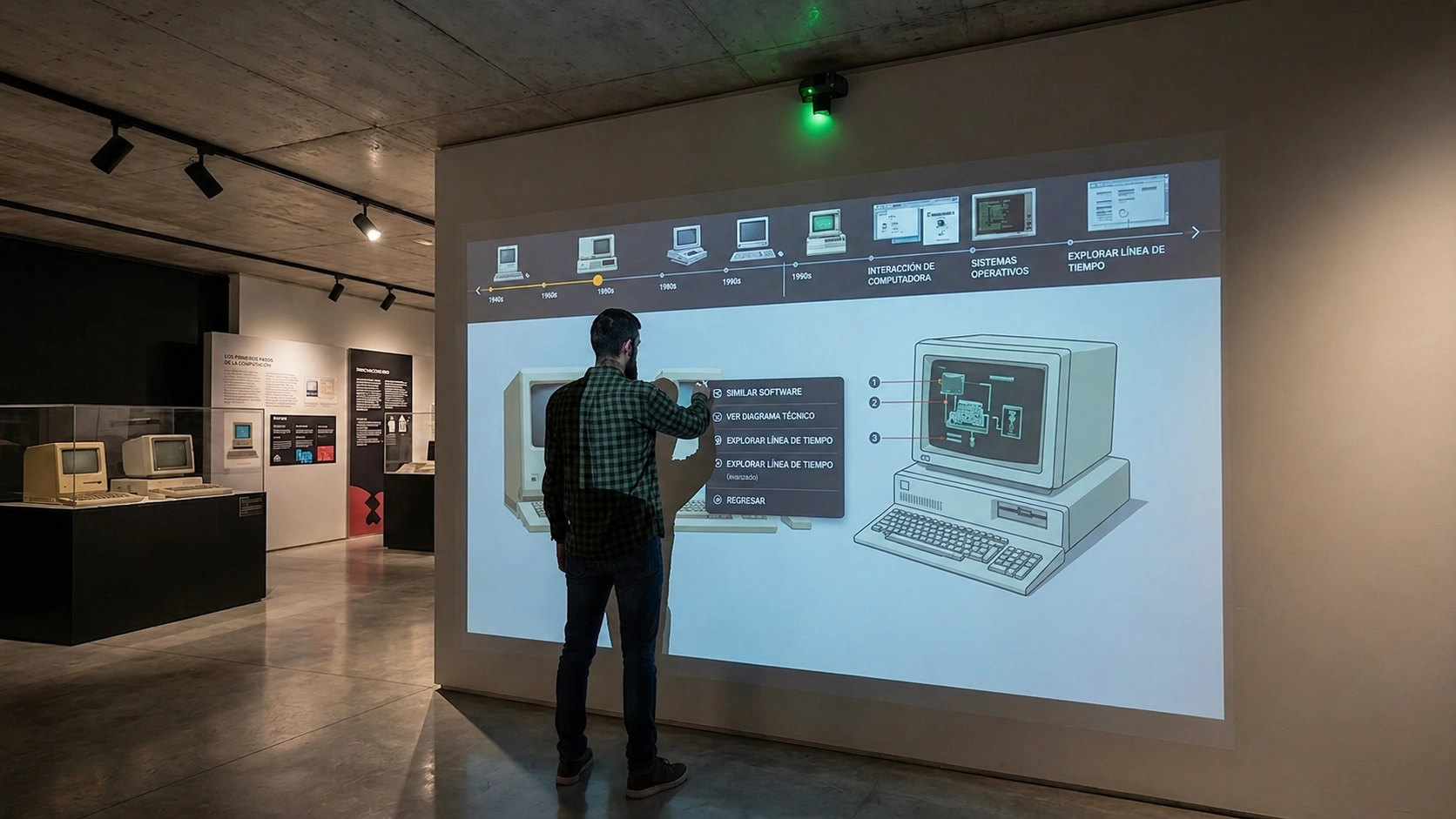
LiDAR solutions for interactive surfaces and spaces
LiDAR architectures for large-format surfaces, interactive walls and projection in museums, education, retail and AV integration, without mounting any sensor on the surface itself.
- Museums
- Education
- Retail
- AV integration
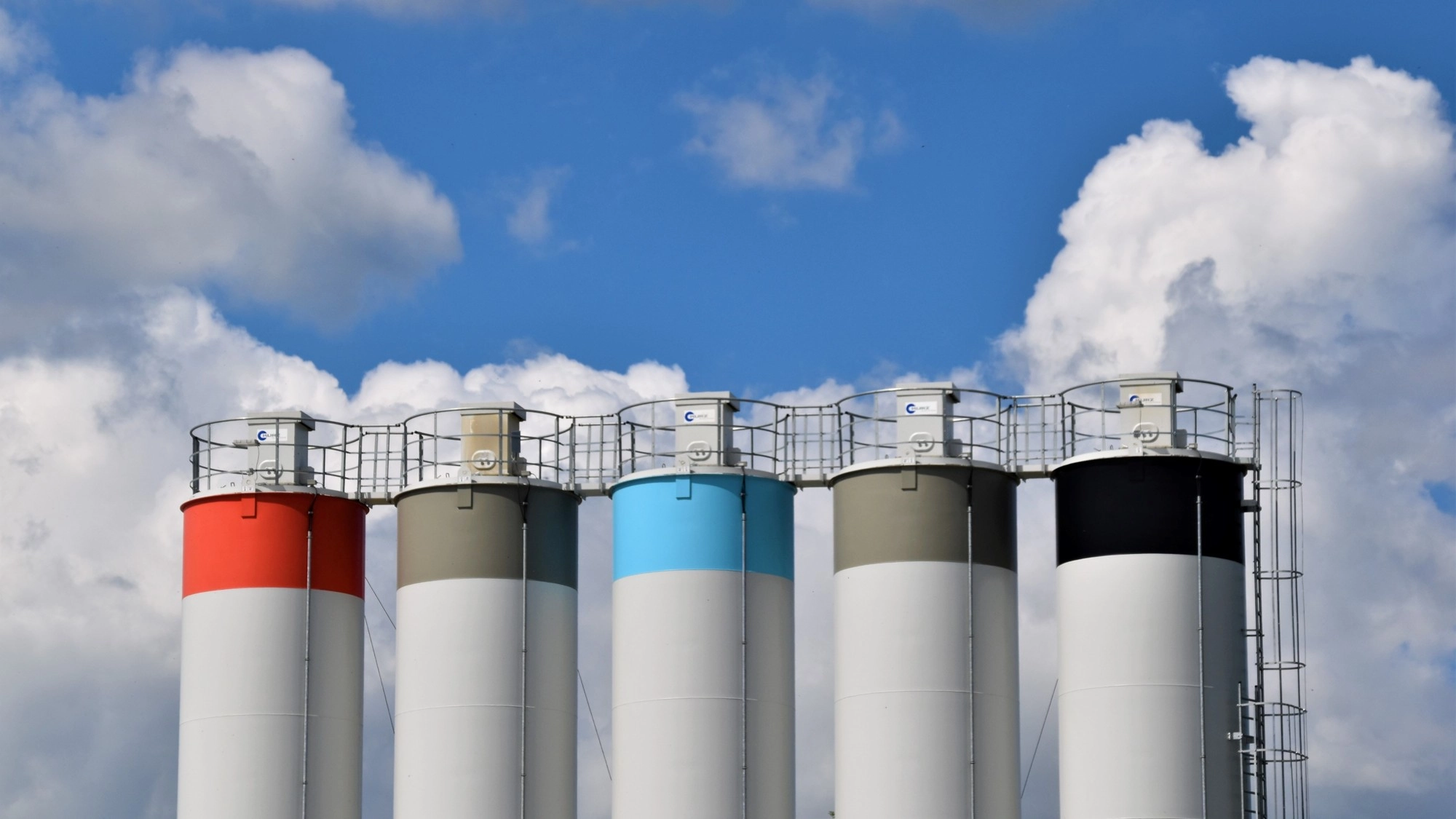
Radar solutions for non-contact industrial measurement
Radar for level and distance measurement and process monitoring in industrial plants, where ambient conditions and integration with the control system are decisive.
- Level
- Distance
- Monitoring
- ITS or municipal
Radar, LiDAR or vision: it depends on the data you need
Radar
Movement · speed · distanceRobust outdoors, independent of lighting and with no image capture.
LiDAR
Position · geometry · interactionHigh spatial precision for surfaces, spaces and interactive interfaces.
Vision
Visual information · classificationAdds visual context, though it depends more on lighting and on image processing.
Comparison by criterion
No single technology wins on every criterion. What decides the architecture is which data you need and the environment it has to be captured in.
| Criterion | Radar | LiDAR | Vision |
|---|---|---|---|
| Movement and speed | Measured directly | Derived from position between samples | Estimated through image processing |
| Spatial precision | Detection zone, not an exact point | High: position and scene geometry | High in 2D; depth depends on the system |
| Dependence on lighting | None | None: it emits its own light | High: light, contrast and glare |
| Image capture | No image captured | No image captured | Yes: it is its operating principle |
| Outdoor use | Robust to rain, fog and dust | Sensitive to particles and dirt on the optics | Sensitive to weather and dirt |
| Exposure to identifiable data | Reduced | Reduced | Requires a lawful basis and justification |
Vision brings visual context and advanced classification where the project justifies it; radar and LiDAR fit where environmental robustness or the absence of imagery carry more weight.
There is no universally better technology. We choose the architecture according to the data, the environment and the objective.
Discuss my caseWe define the architecture first. The product comes second.
A uRAD solution can be built on a closed unit, a sensor for integration or a development platform. The choice depends on the processing, the connectivity and the level of integration the project requires.
See the technology applied to a real problem
Guides and applications where we set out requirements, installation, methodology and data in specific scenarios.
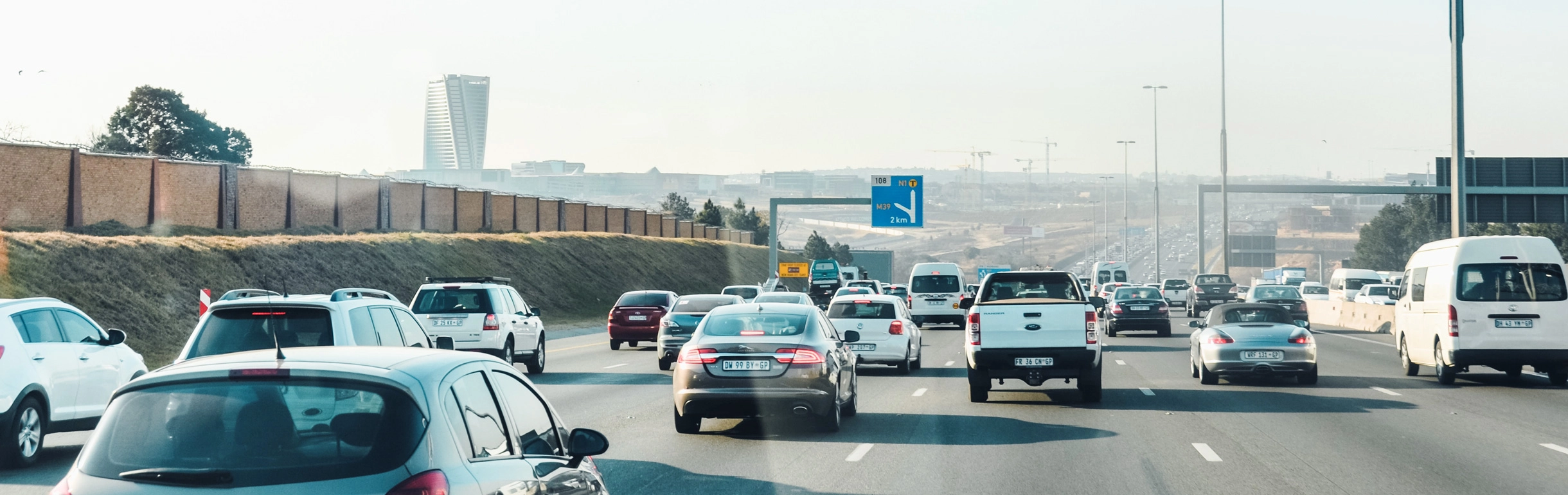
Vehicle counting and classification systems
A comparison of traffic counting technologies and the criteria for choosing between them.
Read the guide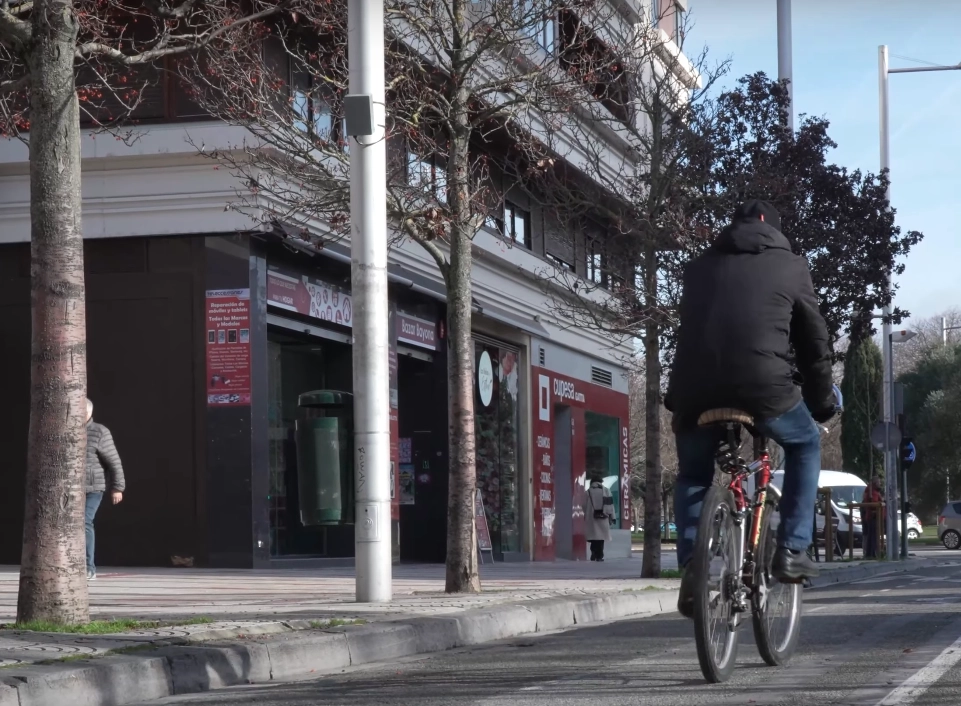
Bicycle counting with radar
Continuous measurement of cycling mobility, with no cameras and no civil works.
See the application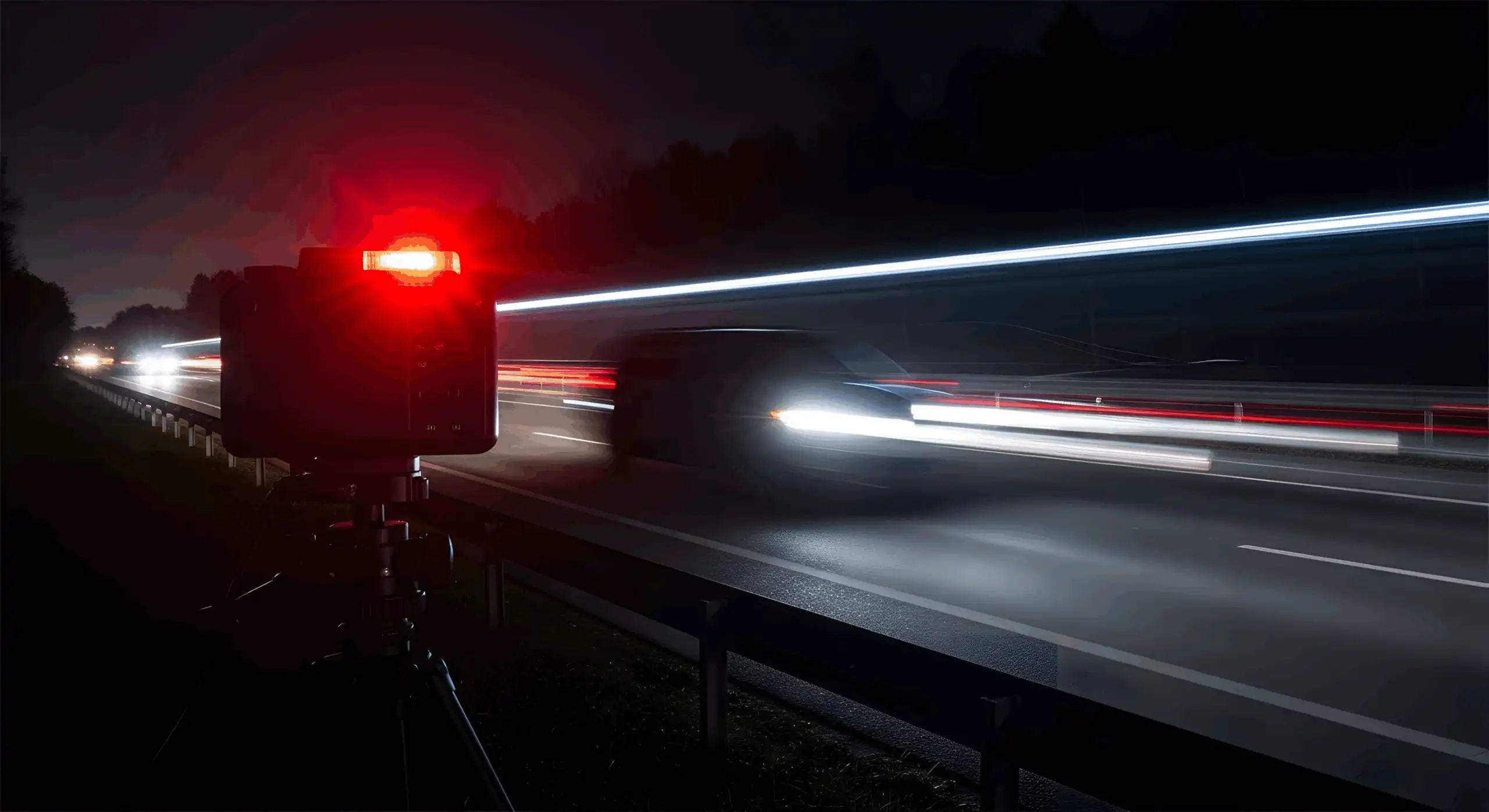
Temporary traffic counting campaigns
How to define duration, power supply, survey sites and data for a campaign
See the applicationFrom the need to a viable architecture
An engineering approach driven by real constraints: the environment, the systems already in place and validation criteria agreed before deployment.
We review the real site before recommending a sensor
The same technology can behave very differently depending on where and how it is installed, so these factors are checked before any architecture is proposed.
- Geometry
- Range
- Occlusions
- Mounting
- Power
- Connectivity
- Interfaces
- Environment
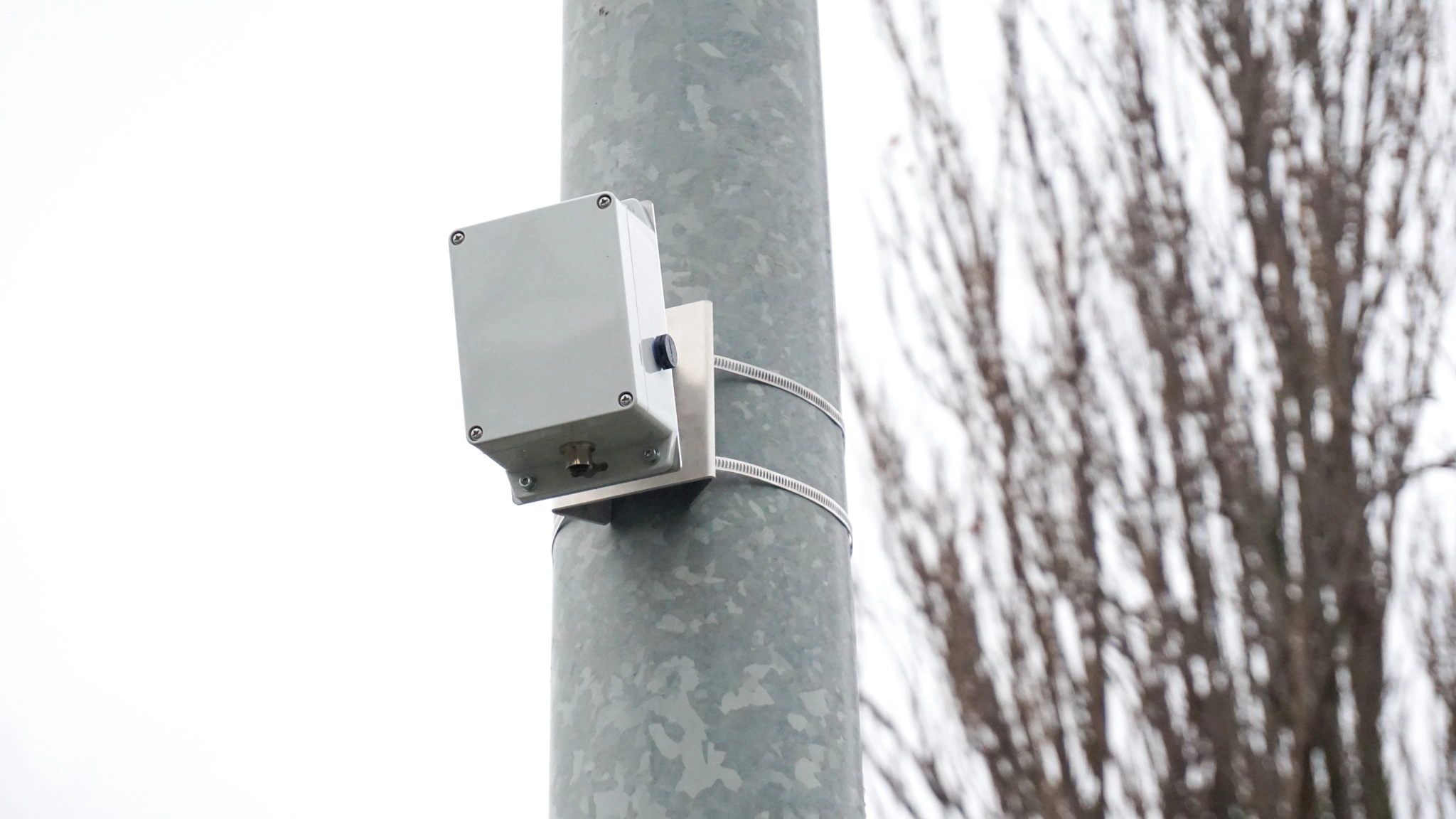
Need to embed uRAD into your own system?
We work with manufacturers and integrators when the standard configuration does not fully fit the project.
- Manufacturers
- System Integrators
- Technology companies
- Projects beyond the standard configuration
Common questions about our solutions
Radar or LiDAR: which one should I use?
It depends on the data. Radar fits when you need movement, speed or distance with environmental robustness and no image capture. LiDAR fits when you need spatial position and geometry, which is what makes interaction on a surface possible. In many projects the answer is settled by reviewing the site, not before.
What is the difference between a solution and a product?
The solution is the complete architecture: what is measured, how it is processed, where it is stored and which system it integrates with. The product is the specific unit that runs it. That is why we define the architecture first and only then select between a closed unit, a sensor for integration or a development platform.
How is a project assessed?
We look at the target detection distance, the physical obstacles at the site, the integration requirements and the expected behaviour. If our sensors are not the right tool for your use case, we will tell you before you commit time or budget to a pilot.
Can it be integrated into an existing system?
Yes. The units deliver data or events to mobility platforms, municipal systems, controllers, PLCs or in-house applications, according to the chosen architecture and the protocols of each product.
Tell us what you need to measure, detect or integrate
Describe the objective of the project, the environment, the distances involved, the power available and where the data has to end up. We will review which architecture makes sense before moving on to product.
- 01ObjectiveWhat result the project has to produce.
- 02EnvironmentWhere it is installed and under what conditions.
- 03ArchitectureWhich technology and integration fit, and why.
We do not send a generic sales proposal: we review feasibility, the environment and the integration first.
Request a technical assessment
We review constraints, environment and integration, and reply with concrete technical criteria.